

Conversations for the future of Higher Education & Research | Roundup September 2026
06 October 2026 | From UNICA

September was a busy month for UNICA with conversations at the intersection of higher education, research, skills, and European policy. Across a series of meetings and high-level events, UNICA engaged with decision-makers and partners to exchange perspectives, build connections, and bring the priorities of universities into wider policy discussions.
1 | Talking UNICA strategy & European Priorities
📍European Commission, Brussels
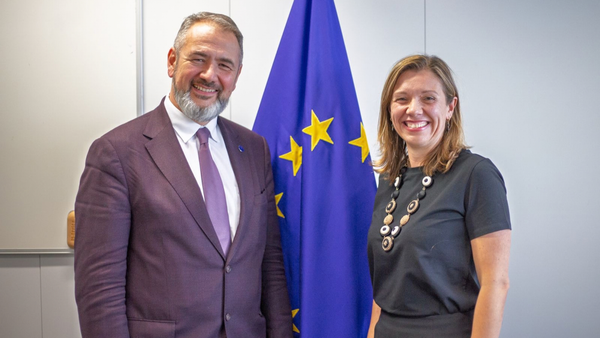
The President of UNICA, Sorin Costreie, met with with Alina-Stefania Ujupan, Head of Cabinet to Executive Vice-President Roxana Minzatu, for a constructive exchange focused on UNICA’s workplan and strategy, and on how university networks can contribute to turning European priorities into meaningful action for universities and their communities.
A key part of the discussion was the future of the European Universities Alliances. In her September 2026 State of the Union address, President Ursula von der Leyen announced the next phase of the European University Alliances as one of the EU’s key priorities for 2027. We discussed what this renewed ambition could mean not only for the Alliances themselves, but for the broader European higher education ecosystem: how cooperation can move beyond individual projects, how universities can build stronger and more lasting connections across borders, and how European initiatives can have an impact well beyond the institutions directly involved.
For UNICA, the question is ultimately not only how universities can contribute to Europe, but what kind of Europe we want universities to help build. Strengthening cooperation between universities, institutions and policymakers will be essential if Europe is to turn its ambitions on education, skills, innovation, democracy and sustainability into tangible change.
2 | Celebrating 30 Years of the MSCA
📍Brussels
While in Brussels, the President was also present at the high-level event in Brussels celebrating the 30 years of the Marie Skłodowska-Curie Actions (MSCA), the European Union’s flagship programme for doctoral education and postdoctoral training which has supported more than 150,000 researchers at all career stages and across all disciplines in the last 3 decades.
Continued investment in researcher mobility and career development is therefore essential to maintaining the attractiveness and competitiveness of European universities. At the same time, the growing gap between demand and available funding underlines the need to ensure that the programme can respond to the scale of interest from researchers and institutions.
The anniversary provided an opportunity to reflect not only on MSCA’s achievements over the past 30 years, but also on the need for stable, ambitious and adequately funded support for researchers and doctoral education in the next generation of EU research programmes.
3 | Calling for a stronger Erasmus+
📍Brussels
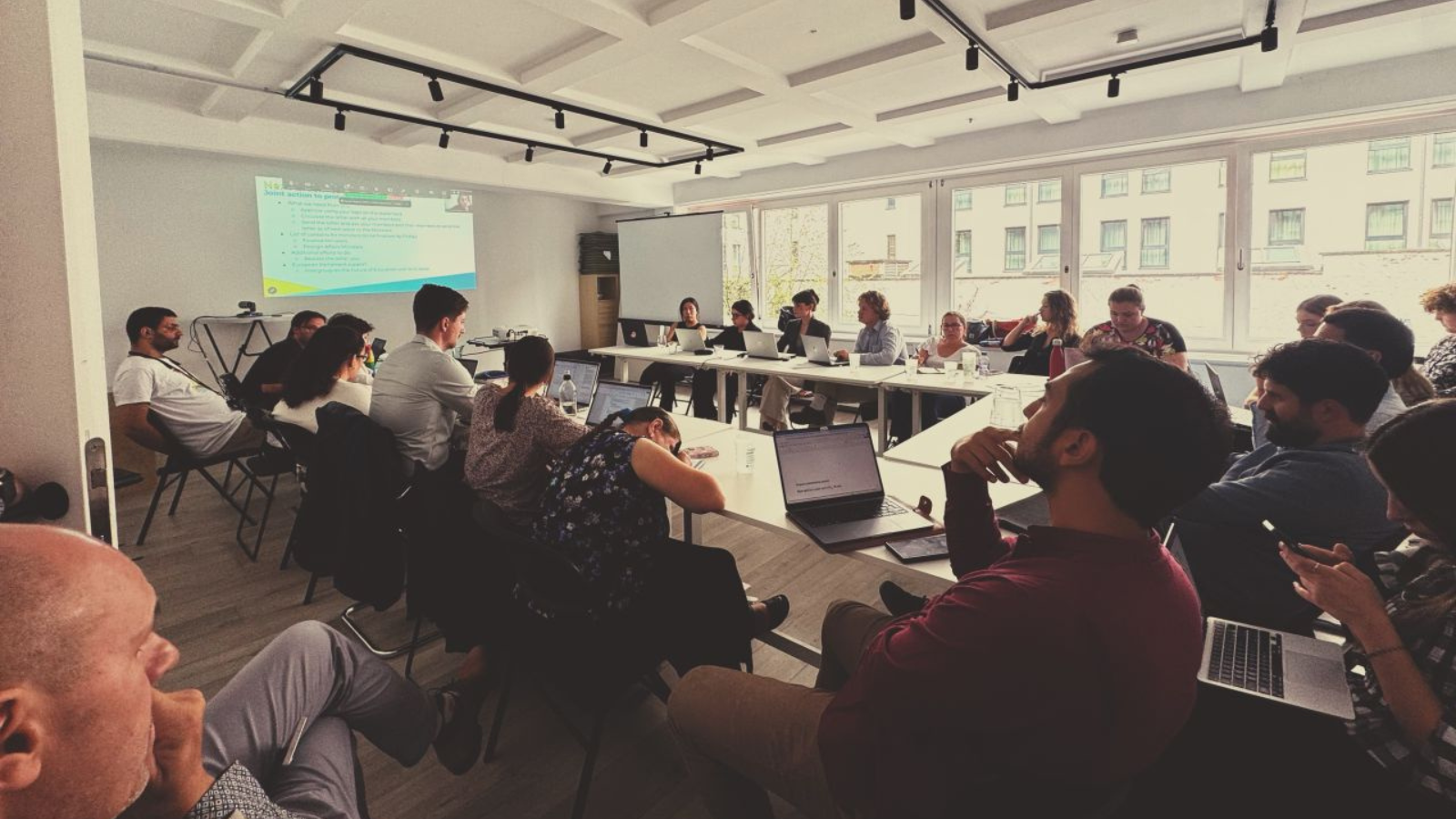
UNICA’s Project & Policy Officer Federica Nestola attended the Erasmus+ Coalition meeting, held following the vote of the European Parliament’s CULT Committee on the future Erasmus+ programme for 2028–2034. The meeting provided an opportunity to take stock of the latest developments in the legislative process and to coordinate the Coalition’s next advocacy priorities.
Particular attention was given to the programme’s future budget, with the European Coalition agreeing to advocate for a €47.4 billion budget for Erasmus+ 2028–2034, in line with the position supported by the European Parliament. The Coalition also agreed on a coordinated advocacy action targeting national Ministers of Economy and Finance as part of the ongoing negotiations on the next Multiannual Financial Framework.
The meeting also marked the beginning of a new phase of work on the Erasmus+ 2028 Work Programme. The Coalition will develop recommendations on issues including application procedures, programme implementation and reporting, inclusion, funding mechanisms, the role of National Agencies, the integration of the European Solidarity Corps and synergies with other EU programmes. These recommendations will feed into preparations for the European Commission’s stakeholder consultation on the 2028 Work Programme expected in early 2027.
The meeting therefore provided an important opportunity to strengthen coordination among European stakeholders and to ensure that the experience and priorities of Erasmus+ beneficiaries and organisations continue to inform both the legislative process and the future implementation of the programme.
4 | Discussing transferability of solutions for common challenges
📍Bucharest
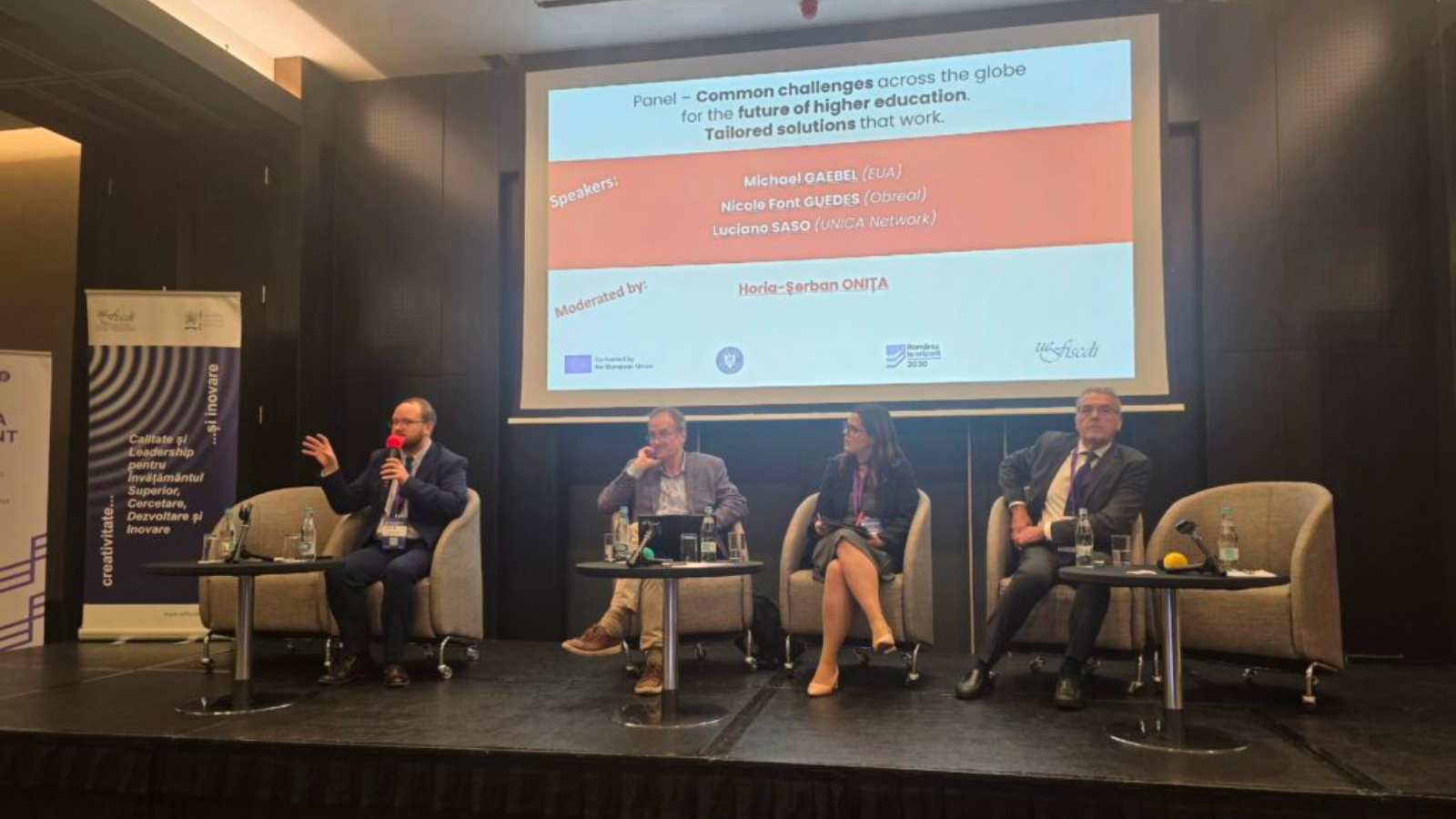
Luciano Saso, UNICA’s Secretary General, attended the 6th Future of Higher Education – Bologna Process Researchers’ Conference (FOHE-BPRC6), where he contributed to a panel “Common challenges for the future of higher education: Tailored solutions that work”. The discussion explored what makes approaches developed in one higher education system relevant to another, highlighting the importance of sharing models and experiences while considering the funding, regulation, institutional capacity, and actors that shape their success.
Though solutions should avoid a one-size-fits-all approach and allow sufficient flexibility for universities and national systems to adapt, stronger exchange of evidence, experiences and successful practices across the European Higher Education Area can help institutions learn from one another and identify approaches that can be meaningfully adapted rather than simply replicated.
For UNICA, this reinforces the importance of evidence-informed policymaking and meaningful involvement of universities in the development and implementation of higher education reforms.
5 | Debating the future of skills, innovation & competitiveness
📍Luxembourg
Luciano also attended the Conference “Got Skills? Level Up!”, organised by the EIB Group (European Investment Fund / European Investment Bank) and the European Commission, an event dedicated to workforce development and innovation to boost Europe’s economic competitiveness.
For UNICA, the skills agenda should be approached as a long-term investment in people and institutional capacity, rather than solely as a response to immediate labour-market shortages. Universities need the flexibility and resources to adapt curricula, develop new forms of learning and contribute to regional and European innovation ecosystems.
 Co-funded by the European Union. Views and opinions expressed are however those of the authors only and do not necessarily reflect those of the European Union or the European Education and Culture Executive Agency (EACEA). Neither the European Union nor the granting authority can be held responsible for them.